When it comes to permanent identification tags, the manual embossing machine remains a trusted tool for professionals across a wide range of industries. Even with the rise of laser engravers and automated embossing equipment, a manual embosser continues to hold its ground thanks to its simplicity, low maintenance, and reliable long-term performance.
Whether used as a manual metal embossing machine for industrial tags or a manual embossing label maker for smaller-scale applications, this type of system delivers precision and durability at an affordable cost.
In this guide, we’ll explore what a manual embossing machine is, how it works, its applications, and why it remains a preferred choice for metal tag embossing and identification projects.
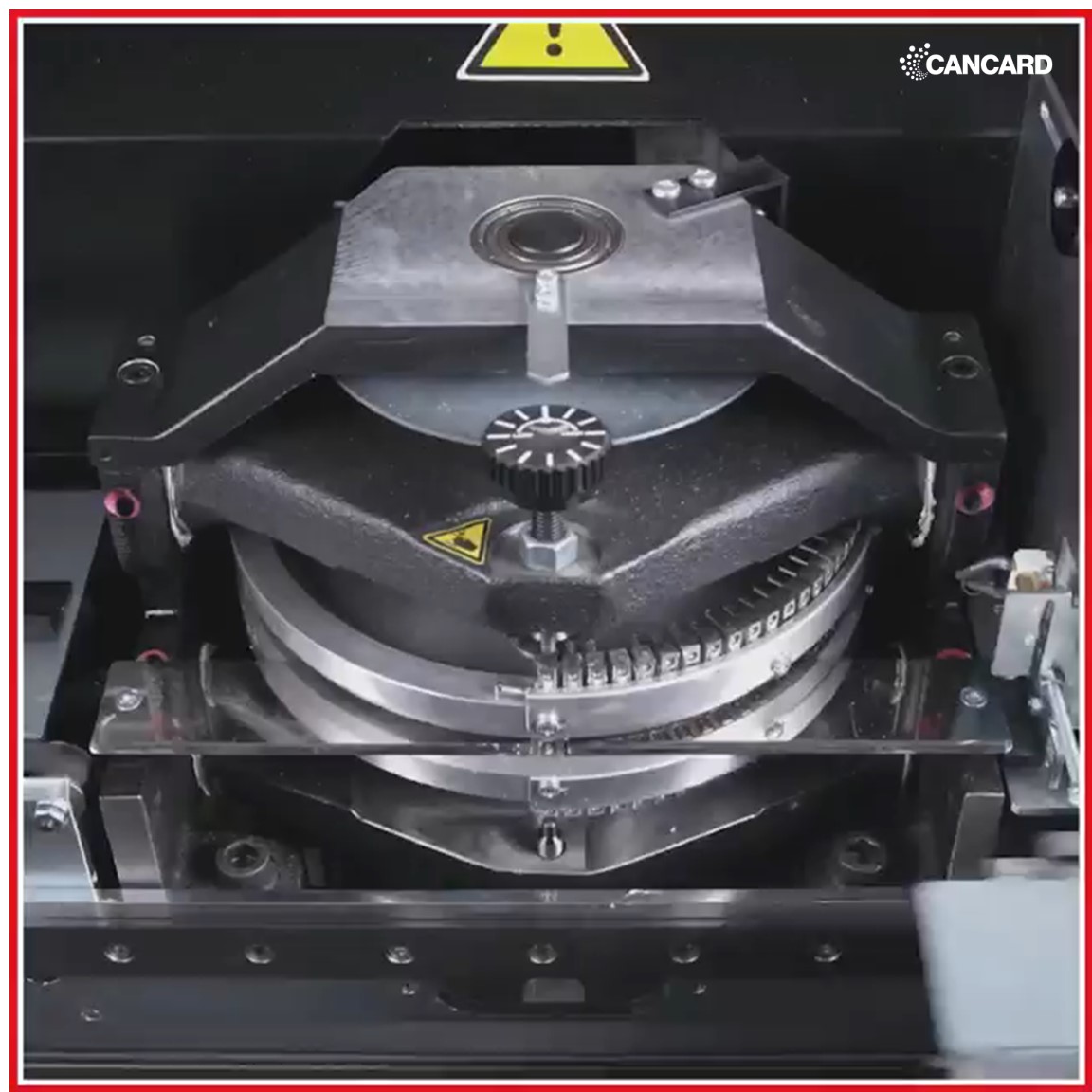
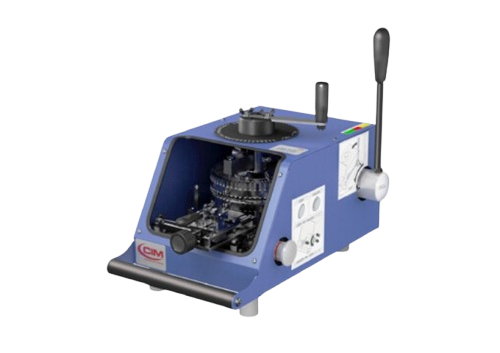
A manual metal tag embosser is a hand-operated device used for manual tag marking by pressing raised or indented characters onto a metal surface. Unlike automated systems, this manual metal embossing machine doesn’t require electricity, toner, or complex programming — making it extremely reliable even in challenging industrial environments.
The result is a durable, easy-to-read tag that withstands weather, abrasion, and chemical exposure for decades. Many manufacturers and facilities also use similar equipment like a manual PVC card embosser for creating ID cards, nameplates, and compliance tags in smaller batches.
Key Applications of Manual Embossers
A manual tag marking machine is still widely used in: